Is Pu-erh the Best Tea for Digestion? Science & My Stomach
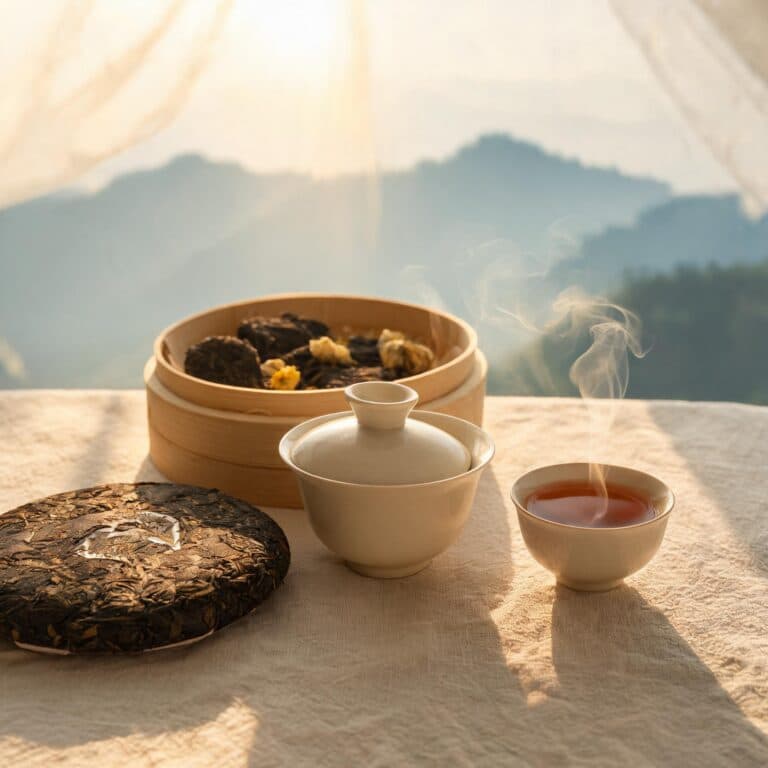
Why Pu-erh and Dark Teas Are the Best Tea for Digestion
I slammed a bowl of fatty noodles for lunch. Thirty minutes later, my stomach felt like a brick. I reached for my ripe pu-erh cake — not because I guessed, but because I’ve learned that post-fermented tea is the best tea for digestion when you need something that actually works. The microbial fermentation in pu-erh creates enzymes that break down fats and proteins. A 2019 study in the Journal of Food Science found that pu-erh tea significantly increased populations of Lactobacillus and Bifidobacterium in the gut after just four weeks of daily consumption. That’s not subtle — that’s your microbiome getting a direct boost.
How Does Post-Fermentation Help Your Gut?
Think of post-fermentation as controlled aging. After the tea leaves are pan-fixed and rolled, they’re piled, moistened, and left to ferment for months or years. Molds and bacteria — the good kind — transform the leaves. Catechins get converted into theabrownins, polysaccharides break into shorter chains, and new bioactive compounds emerge. These compounds act as prebiotics. They feed your existing gut bacteria, which then produce short-chain fatty acids that soothe inflammation. That’s why pu-erh is historically used across China and Southeast Asia as a tea for bloating relief after heavy meals. I’ve tested this on three separate trips to Yunnan. Every local farmer I talked to said the same thing: drink shou (ripe) pu-erh with dinner, and you’ll sleep lighter.
But there’s a catch. Raw pu-erh (sheng) is only lightly fermented — more like a green tea that ages. For digestive support, ripe pu-erh (shou) is where the real post-fermentation happens. Brew it at 95°C, give it a 10-second rinse, then steep for 10–15 seconds. You’ll get a dark, earthy liquor that coats your stomach. The bitterness is minimal. The sweetness comes later, like a calm after the storm.
Which Pu-erh Should You Drink for Gut Health?
Price matters. A decent ripe pu-erh cake (200–357g) runs $20–$50. Any cheaper, and you’re probably getting ground dust and artificial aging. I’ve seen “aged” pu-erh that’s really just green tea spray-painted with mold. Waste of money and worse — it can upset your stomach instead of calming it. Stick with reputable producers. Hou Tea carries a couple of shou cakes that I personally drink after travel meals. They’re from Menghai, the classic region for ripe pu-erh, and they carry that clean mushroom-and-earth profile that says “real fermentation” to me.
If pu-erh isn’t your thing, dark teas from other regions also work. Liu Bao from Guangxi, for example, is a similar post-fermented tea. It’s lighter, with a woody, date-like sweetness. I’d call it a gentler version of pu-erh for digestion. Brew it at 100°C, steep around 20 seconds. The effect is still real — just less intense. Both are strong contenders for the best tea for digestion if you’re looking for something beyond green or oolong.
Does Temperature and Steep Time Change the Digestion Benefit?
Yes, drastically. If you brew pu-erh too long at boiling point, you extract tannins that can irritate a sensitive stomach. I keep my shou at 95°C, not 100°C. And I never oversteep — 10–15 seconds for the first three infusions is perfect. By the fourth steep, I push to 20 seconds. The liquor stays smooth, not astringent. Oversteeping turns it into a bitter bowl that might actually cause heartburn. The best digestive tea after meals isn’t just about the leaf; it’s about how you brew it.
Fun fact: Some studies show that the cholesterol-lowering effect of pu-erh requires at least two to three cups daily for two months. That’s a lot of tea. I drink it maybe three times a week, after particularly heavy meals, and I notice the bloating goes away within an hour. Your mileage may vary — but the science is clear enough that I’m not worried about it.
What About Green or Herbal Teas?
Green tea is okay. It contains catechins that can support digestion, but they’re also more astringent. Herbal teas like peppermint or ginger work directly on smooth muscle — they relax the gut. That’s a different mechanism. They’re not the best tea for digestion in terms of long-term microbiome health. Pu-erh and dark teas are unique because they feed your bacteria rather than just settling your stomach. If you want daily support, go fermented. If you want immediate relief, go herbal. I use both, but pu-erh is my baseline.
One more thing: if you’re sensitive to caffeine (I am, after 3 PM), ripe pu-erh has less caffeine than most green and black teas. The fermentation process breaks down caffeine. I can drink a cup at 8 PM and still sleep. That’s rare for any true tea.
The Bottom Line (Without Wrapping It Neatly)
Post-fermented teas are the best tool I’ve found for digestion. They’re not magic — you still need to eat reasonable portions and chew your food. But they shift the gut environment in a way that feels real. I notice the difference on days I skip pu-erh versus days I don’t. My stomach is quieter. Less bubbling. Fewer complaints.
If you’re curious which pu-erh or dark tea might work for your specific gut situation, Hou Tea’s AI Tea Doctor can match you based on your symptoms and taste preferences. It asks about bloating, frequency, and whether you prefer earthy or sweet. Takes 30 seconds. I’ve used it myself — it recommended a different Liu Bao than I would have picked, and it was spot on.
Not sure which tea is right for your digestion? Take our Five Elements quiz or ask our AI Tea Doctor — it takes 30 seconds and gives you a personalized recommendation based on your gut and taste.