How to Pick Your First Tea Without Getting Lost
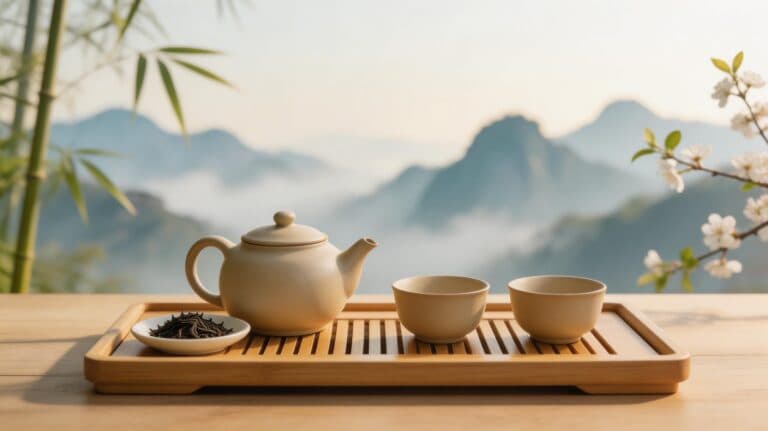
The first tea I’d hand a coffee drinker
I still remember pouring a friend his first real cup of tea after years of black coffee. I brewed a simple Chinese black tea at 95°C for 3 minutes, and he blinked at the cup like it had insulted him. Then he took another sip. “Oh,” he said. “This is softer than coffee.” Exactly.
That is the first thing I want you to know. Tea does not all taste like wet grass, and it does not all taste weak. Some teas are bold enough to stand up to a morning brain fog. Some are gentle. Some are smoky, sweet, nutty, or sharp. The trick is choosing a first tea that meets you where you already are.
Start with what coffee drinkers already like
If you drink coffee for bitterness, body, and a wake-up hit, start with black tea. That is the easiest bridge. A good black tea has enough structure to feel familiar, but it is usually less harsh than coffee and far more forgiving if you brew it a little wrong.
My short list for a first tea would be:
- Assam black tea if you want something malty and strong, almost bread-crusty.
- English Breakfast if you want a standard, honest cup with milk.
- Ceylon black tea if you like a brighter, cleaner sip with a little citrus edge.
- Golden Yunnan if you want something deeper, honeyed, and less sharp than coffee.
If you usually add milk and sugar, you can do the same with tea. No apology needed. In fact, Assam and breakfast blends often taste better that way. I think people get too precious about “drinking tea correctly.” Start where your taste already lives.
Do not buy the fanciest thing first
Your first tea should be easy to brew and hard to ruin. That means loose leaf if you can manage it, but bagged tea is fine too. I’d rather see you drink a decent tea bag every morning than spend $28 on a tin you are afraid to open.
Price-wise, a sensible starter range is about $8 to $18 for 50 to 100 grams of loose leaf, or $4 to $8 for a box of good bags. If a tea costs much more, save it for later. Fancy first impressions can backfire. A delicate green tea brewed badly tastes like regret, and that is not how you want to start.
What to avoid at the beginning
I would skip two extremes at first. One is very grassy green tea, especially Japanese sencha brewed too hot. The other is very smoky tea, like Lapsang Souchong, unless you already know you like campfire notes. Both can be wonderful. Both can also scare off a coffee drinker fast.
I’d also hold off on heavily perfumed flavored teas if your goal is to understand tea itself. Vanilla, berry, and dessert-style blends can be fun, but they can hide the base tea. Better to learn what black tea tastes like before you start adding a lot of extra noise.
A simple starter map
Here is the easiest way I’d think about it.
- Want coffee’s backbone? Choose Assam or a breakfast blend.
- Want less bite, more sweetness? Try Golden Yunnan.
- Want something crisp and bright? Try Ceylon.
- Want a soft first step into tea? Try a lightly oxidized oolong, though that is a slightly riskier first move.
That last one is my personal curveball. Some people who hate coffee actually love oolong because it can taste like toasted nuts, orchard fruit, or cream, depending on the style. But as a very first tea, I still think black tea is the safer bet. Fewer surprises.
How to brew it so it does not taste flat
Black tea wants hotter water. Use water just off the boil, around 95°C to 100°C, and steep for 3 to 4 minutes. If you are using a tea bag, start at 3 minutes. If it tastes thin, go longer next time. If it gets bitter and drying, shorten the steep a little.
For loose leaf, a good starting ratio is 2 to 3 grams for 250 ml of water. That is about one heaped teaspoon for many black teas, though leaves vary. Tea is less fussy than coffee, but not lazy. A weak brew often just means there were too few leaves or too little time.
Green tea is a different story. If you later want to try it, use 70°C to 80°C water and steep for 1 to 2 minutes. Hotter water can make it taste harsh. I learned that the annoying way, years ago, when I kept making sencha that tasted like steamed weeds.
Milk, sugar, lemon, all of it is allowed
I think one of the fastest ways to enjoy tea is to stop treating it like a purity test. Add milk if you want body. Add sugar if you want a softer edge. Add lemon only if the tea is brisk enough to handle it, usually a strong black tea or a Ceylon-style cup.
There is no medal for drinking tea plain on day one. Coffee drinkers often expect tea to be either a health drink or a sacred object. It can just be your drink. That is enough.
My honest first-purchase advice
Buy one black tea first. Not five. One. If you can, buy a breakfast blend and one single-origin tea, like Assam or Yunnan, so you can taste the difference without needing a notebook and a degree.
And if you want a little help picking, you can ask our AI Tea Doctor for a personalized recommendation based on how you take coffee now. That is actually useful here, because your coffee habits tell me a lot. Black and bitter? Cream and sugar? Fast morning cup, or slow weekend ritual?
I’d probably start you on a malty Assam with milk, brewed at 95°C for 3 minutes, then move you to something rounder and sweeter once tea no longer feels like a detour from coffee. The second cup is usually where people realize tea has been waiting quietly the whole time.