How the Season You’re In Changes the Tea You Want
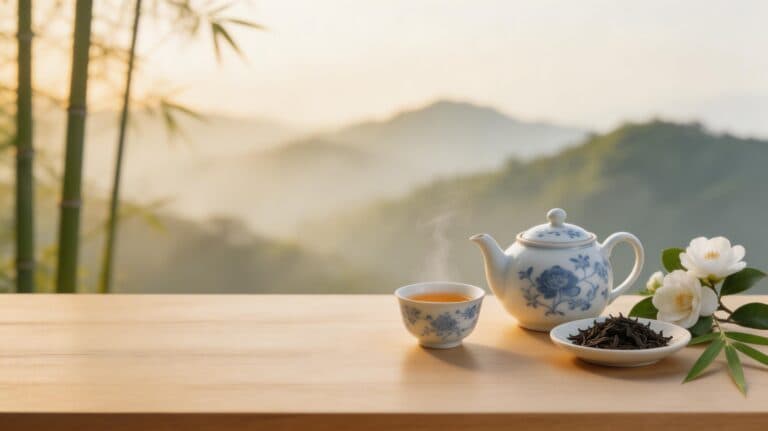
A cold morning changes everything
On a gray February morning in Hangzhou, I once watched a tea seller pour boiling water over a tiny pot of roasted oolong, and the whole stall smelled like toasted nuts and wet stone. My hands were cold enough to make the cup feel like a small heater. That memory is why I think season matters more than most tea people admit.
The tea you want in July is usually not the tea you want in January. And that is not a flaw in your taste. It is your body being honest.
Winter asks for weight and warmth
In winter, I reach for teas that feel round, deep, and a little comforting. Roasted oolong, ripe pu-erh, black tea with malt, even older shoumei white tea can do the job. These teas have enough body to meet cold air halfway.
A roasted Tieguanyin brewed at 95°C for 25 to 35 seconds in a small gaiwan can taste like chestnuts, warm bread, and a faint floral lift at the end. Brew the same leaf in a mug for 3 minutes and it gets softer, almost creamy. I like both styles, but on a freezing morning I want the gongfu version. It gives me more heat per sip.
Ripe pu-erh is another winter favorite of mine. Good cake tea often costs around $15 to $40 for something drinkable, and much more if you go chasing famous mountains or old trees. The better ones smell like damp forest floor in the best possible way, plus cocoa, dates, and a little worn leather. It sounds odd until you drink it with a wool sweater on.
Spring wants something lighter
Spring is the season of first green tea, and I never stop getting a little excited when fresh-picked leaves arrive. This is when I want teas that taste like tender plants, sweet steam, maybe a hint of peas or orchid.
Longjing, Bi Luo Chun, and fresh sencha all make sense here. For green tea, I usually use 75°C to 80°C water, and only 1 to 2 minutes if I am brewing in a pot. Too hot, and the tea turns sharp. Too long, and it starts tasting like boiled spinach in a way nobody asked for.
I think spring tea works because it matches the feeling outside. The air is still cool, but it is softening. New tea leaves have that same tension, the slight crispness before everything opens.
Summer calls for speed and lift
Hot weather changes my tea habits fast. Heavy brews feel tiring. I want drinks that cool the mouth and keep me alert without making me feel glued to the couch.
That is when I turn to iced tea, lightly oxidized oolong, jasmine tea, and young white tea. A cold brew white tea steeped overnight in the fridge, around 8 to 12 hours, can taste like melon skin, hay, and a little honey. It is easy to drink and hard to overthink.
For iced green tea, I like a gentler approach. Brew it hot first, around 75°C, for about 90 seconds, then pour over ice. Straight cold brewing also works, but it often tastes flatter unless the leaf is very good. The best summer teas still have shape. They do not disappear into cold water.
And yes, jasmine tea in summer can be lovely, as long as the floral scent is clean and not perfumey. Cheap jasmine often smells like soap to me. Better versions have actual tea underneath the flower note, which matters more than people think.
Autumn likes texture and fragrance
Autumn is the season I associate with oolong most strongly. The weather cools down, but not enough to demand heavy roast all the time. There is room for teas with fragrance and a bit of structure.
Lightly roasted Dan Cong can taste like peach skin, orchid, and warm stone. A Wuyi rock tea with a medium roast might lean toward cocoa, baked plum, and minerals. Brew these at 95°C or near boiling in short steeps, 20 to 40 seconds at first, then adjust. Autumn is a good time to slow down and notice how a tea changes from steep to steep.
I also like this season for aged white tea. A 2018 or 2019 cake can already show dried apricot, herbs, and a gentle sweetness that feels different from the sharp green edge of spring tea. It fits the dry air outside.
Season is also about how your body feels
Tea is not just about weather. It is also about temperature in your own body, which changes more than people admit. Some days I want a bright green tea in winter because I ate too much fried food the night before. Some humid summer afternoons still call for strong black tea because I need focus more than refreshment.
That is why I trust season as a starting point, not a rule. A humid climate can make roasted teas feel even heavier. Dry, windy air can make green tea seem almost brisk and sweet. If you live somewhere with long winters or sticky summers, your habits will drift accordingly.
The Tea Doctor we built can help with that. You can ask for a tea pick based on your weather, your energy level, or even what kind of aftertaste you like. I think that is one of the smarter uses of tea advice, because real life rarely fits a neat category.
Try matching tea to the month, then break your own rule
Here is the simple version I use for myself. Winter, choose body. Spring, choose freshness. Summer, choose ease. Autumn, choose aroma and balance.
But do not treat that as law. One of the best cups I had last year was a heavily roasted oolong on a rainy June day, brewed in a plain glass tumbler because the power went out and I had no kettle timer. It tasted like toasted walnut and rain-soaked wood, and I remember it better than many “proper” tea sessions.
Tea should meet the season, then surprise you a little. That is the part I keep coming back to. On the first cold night in late October, I usually reach for a tea tin that smells faintly of roasted grain before I even boil the water.