How Our AI Tea Doctor Picks Tea for Your Mood
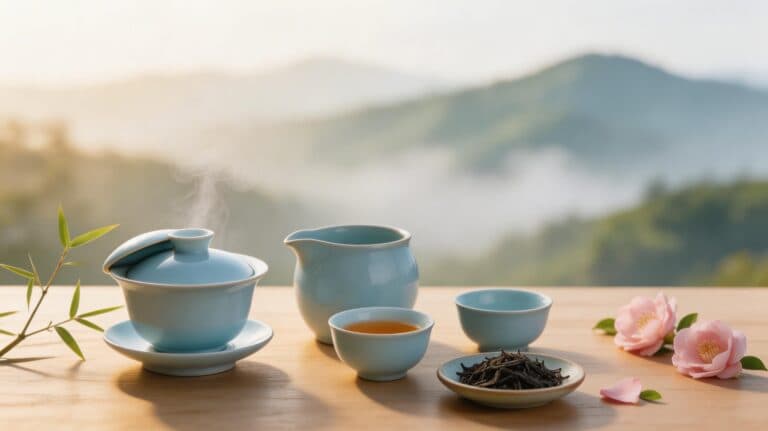
A rainy afternoon is different from a bright one
I remember standing by the shop window on a cold, wet day, watching people hurry past with shoulders up around their ears. That is the kind of moment where a tea choice matters more than usual. A sharp green tea can feel too brisk. A heavy roast can feel a little too much. Our AI Tea Doctor starts there, with the feeling of the day.
I like that it does not pretend your mood is a neat little box. You might say you are tired, but also restless. Or you want comfort, but you do not want anything sleepy. The Tea Doctor listens for those mixed signals and tries to match tea to the part of you that is loudest right now.
It reads mood like a tea taster does
When I taste tea for myself, I pay attention to what it does in the first minute. Does it wake me up fast? Does it soften after the second steep? Does it feel heavy on the tongue or clean and light? The AI Tea Doctor uses a similar idea, just with your words instead of my palate.
If you tell it you feel drained, it may lean toward a bright white tea, a clean Japanese sencha, or a gently oxidized oolong. If you say you feel tense, it often suggests something rounder and calmer, like a roasted Dong Ding, a soft shou puerh, or a sweeter black tea from Yunnan. That is not magic. It is pattern matching with a tea brain behind it.
And the details matter. “Tired” after a bad night of sleep is different from “tired” after a long day of meetings. The first one might call for a mellow tea with low bitterness. The second might need something clearer, with enough lift to get you back into your body.
Season changes the answer more than people expect
I think a lot of tea advice gets too fixed. People ask for one favorite tea and hope it works all year. It rarely does. In summer, I reach for teas that taste cooler and cleaner, like high mountain oolong brewed at 88°C for about 90 seconds in a gongfu pot. In winter, I want more roast, more spice, more depth.
The Tea Doctor uses that same seasonal instinct. In humid weather, it may avoid teas that taste flat or cloying. In dry, cold weather, it may point you toward black tea, aged oolong, or puerh that feels grounding rather than sharp. I have had a citrusy green tea taste perfect in April and then feel oddly thin in August. Same tea. Different day.
That is why season is not a background detail. It changes what your mouth wants, and your body does too. A tea that costs $8 for 50 grams and tastes lively in spring can lose its charm by midsummer if the air itself already feels heavy.
How the recommendations actually work
The Tea Doctor asks about a few things at once: your mood, the weather, the time of day, and what kind of flavor you are hoping for. Simple questions. Useful ones. It does not need a long essay about your personality, which is a relief.
Then it narrows the field. For example, a person who says “stressed, rainy, late afternoon, wants something smooth” might get a roasted oolong or a mellow black tea instead of a bright, grassy green. Someone who says “foggy, warm morning, wants focus” might get a lighter tea with a clean finish, like sencha or a lightly oxidized gaoshan oolong. I like that it can make those small adjustments, because tea is often won or lost in the small adjustments.
If you are curious, you can ask our AI Tea Doctor for a personalized pick and see how it reasons. Sometimes I agree with it. Sometimes I want something a little stranger, like a bitter huangpian on a cold day. The point is that the recommendation starts from you, not from a fixed menu of “best teas.”
Examples I would actually trust
On a damp evening, I would expect the Tea Doctor to steer you away from anything too green and toward teas with more body. A Yunnan black tea with honeyed malt can feel like a blanket. Brew it at 95°C for 2 to 3 minutes if you want a Western style cup, or do 4 short gongfu steeps if you want to watch it open up.
On a hot day, I want something with a quicker finish. A Jin Xuan oolong, lightly oxidized and cooled a bit after brewing, can taste creamy without feeling heavy. A good spring sencha can give you a grassy snap, then a sweet aftertaste that hangs around for a minute or two. That aftertaste is often the part I remember most.
For late-night reading, the Tea Doctor usually does better with teas that do not shout. I would look for a mild shou puerh, a soft aged white tea, or a roasted oolong with less caffeine bite than a young green tea. If you brew too strong, the tea can get bossy fast.
What I like, and what I do not
I like that the Tea Doctor helps people move past the idea that one tea should fit every moment. That idea makes tea feel flatter than it is. Tea changes with the weather, the hour, your sleep, even what you ate an hour ago.
The downside is that no system can taste for you. A recommendation is only as good as the details you give it. If you say “good tea please,” you will get a decent guess. If you say “I am cold, a little wired, and I want something smooth with a roasted note,” the answer gets much better.
That is where I think the Tea Doctor is most useful. It helps people notice what they actually want before they reach for the kettle.
A small habit that pays off
I have seen a lot of tea drinkers improve fast once they start keeping a few simple notes. Nothing fancy. Just mood, weather, tea, water temperature, steep time. After a week or two, patterns show up. You realize that jasmine tea makes you restless at 4 p.m., or that aged oolong is exactly what you want when the first cold rain hits.
The Tea Doctor does that sorting in the background, which is handy if you do not want to build your own tea notebook. Still, I think the best results come when you use it like a conversation. Give it a little context. Mention the season. Mention what the day feels like. Then let it surprise you with something that actually fits, maybe a toasty oolong at 92°C, maybe a brisk green tea brewed for 60 seconds, maybe the exact tea you would not have picked on your own.
That last part is often the nicest surprise. You think you want one thing, then the cup in your hand tells you the day is asking for something else.