Green Tea Benefits: Longjing, Biluochun, and Maofeng
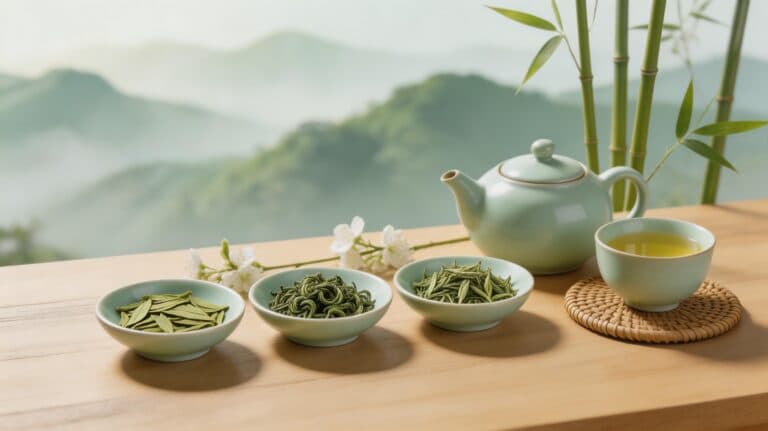
Green tea benefits: what Longjing, Biluochun, and Maofeng actually do for your body
The first time I tasted a fresh spring Longjing, the cup smelled like toasted beans and cut grass after rain. The liquor was pale gold, almost clear, and it had that clean, slightly sweet finish that makes you want another sip. That’s usually where people start asking about the benefits of green tea, because the flavor is pleasant enough to drink often, and the body effect is noticeable without feeling heavy.
Longjing, Biluochun, and Maofeng are all Chinese green teas, but they behave differently in the cup and, honestly, in your day. I think that matters. A tea you actually enjoy is the one you’ll keep brewing, and that is where the real benefits of green tea show up.
What the benefits of green tea really come from
The short version: green tea has caffeine, L-theanine, and a lot of catechins, especially EGCG. Caffeine gives you the lift. L-theanine tends to smooth the edge, so the energy feels calmer than coffee for many people. Catechins are the plant compounds people point to when they talk about antioxidants in green tea.
One human study often cited in tea discussions found that green tea catechins may slightly increase fat oxidation during exercise, though the effect is not magic and depends on the person. Another large body of research links regular green tea drinking with better heart health markers and a modest reduction in oxidative stress. I would not drink tea for promises. I would drink it because the cup is good, then enjoy any side benefits as a nice bonus.
And there is a practical side. A mug of green tea usually has far less caffeine than coffee, often around 20 to 45 mg per 8 oz cup depending on leaf amount and steep time. That makes it easier for some people to drink in the afternoon without feeling wired.
Longjing: steady, nutty, and easy to keep drinking
Longjing, or Dragon Well, is the tea I reach for when I want something clean and reassuring. Good Longjing tastes like toasted chestnuts, sweet peas, and a little orchid at the end. The body effect is gentle. You feel awake, but not bounced around.
For brewing, I like 75 to 80°C water, about 175 to 180°F, with 2 to 3 grams in a 150 ml cup. Steep 1 to 1.5 minutes for the first infusion. You can push it to a second and third steep, and the flavor stays soft rather than sharp. That makes Longjing one of the easiest teas for people who want the benefits of green tea without a bitter cup.
Price matters here. A decent spring Longjing often starts around $20 to $40 per 100 grams, and top lots can go much higher. I think the sweet spot is often mid-range tea from a trustworthy vendor. The very cheapest Longjing can taste flat, and the most famous names are sometimes priced more for reputation than for pleasure.
Biluochun: brighter aroma, lighter body
Biluochun is more floral and fruit-leaning. The leaf can smell like white flowers, fresh peach skin, and spring herbs right out of the bag. On the tongue it feels lighter than Longjing, sometimes with a faint marine note if the tea is especially fresh. If Longjing feels like a quiet morning, Biluochun feels like opening the window.
For brewing, use 70 to 75°C water, about 160 to 170°F, and keep the first steep short, around 45 to 60 seconds. Biluochun bruises easily, so hot water can pull out bitterness fast. That is one reason people drink it for the benefits of green tea and still keep coming back for the fragrance.
In my experience, Biluochun has a slightly more noticeable “bright” feeling than Longjing, though that could just be how my body reacts to its aroma and caffeine balance. I would not call it stronger. I would call it livelier.
Maofeng: a middle path with a soft vegetal finish
Maofeng sits somewhere between the other two. Good Maofeng often tastes like steamed greens, bamboo, and a little sweet corn, then finishes with a gentle floral note. It is the tea I recommend when someone says they want green tea but not something too grassy or too nutty.
Brew it at 75 to 80°C, and start with 1 to 2 minutes depending on the leaf quality. Some Maofeng styles hold up better than others. The better ones have a silky mouthfeel that makes the cup feel fuller than the price suggests. You can find solid everyday Maofeng for about $15 to $30 per 100 grams, which makes it a good entry point if you are testing different styles.
It also shows one of the quieter benefits of green tea, which is consistency. You can drink a cup in the morning, another after lunch, and not feel like you are slamming your system.
So what do the benefits of green tea look like in real life?
For most people, the everyday wins are simple. A little alertness. Less of a caffeine spike. A drink that feels light after meals. Some people also notice that regular tea drinking helps them stay hydrated because plain water can get boring fast, and tea makes the routine easier to keep.
I would not oversell the health claims. Green tea is healthy, yes, but it is still a beverage, not a cure-all. The biggest practical benefit is that it is easy to make a good habit out of it. One cup in the morning, one after lunch, maybe a small pot in the afternoon. That adds up more than any dramatic promise.
And if you are sensitive to caffeine, pay attention to steep time. A 30-second longer brew can change the whole cup. Shorter steeps keep the tea sweeter and usually gentler.
How I’d choose among the three
If you like a toasty, balanced cup, start with Longjing. If you want perfume and a brighter lift, choose Biluochun. If you want something in between, Maofeng is a safe bet. That is my honest read, and it is a little subjective, because tea always is.
If you are still unsure, ask Hou Tea’s AI Tea Doctor for a pick based on your taste and caffeine tolerance. It can be a handy way to narrow things down, especially if you want a green tea that fits your actual routine instead of an ideal one.
For me, the best sign of the benefits of green tea is not a lab chart. It is the feeling of a second cup still tasting clean, with a little sweetness left on the tongue, while the kettle cools on the counter.