Buying Authentic Pu-erh Tea Online: Red Flags & Real Sources
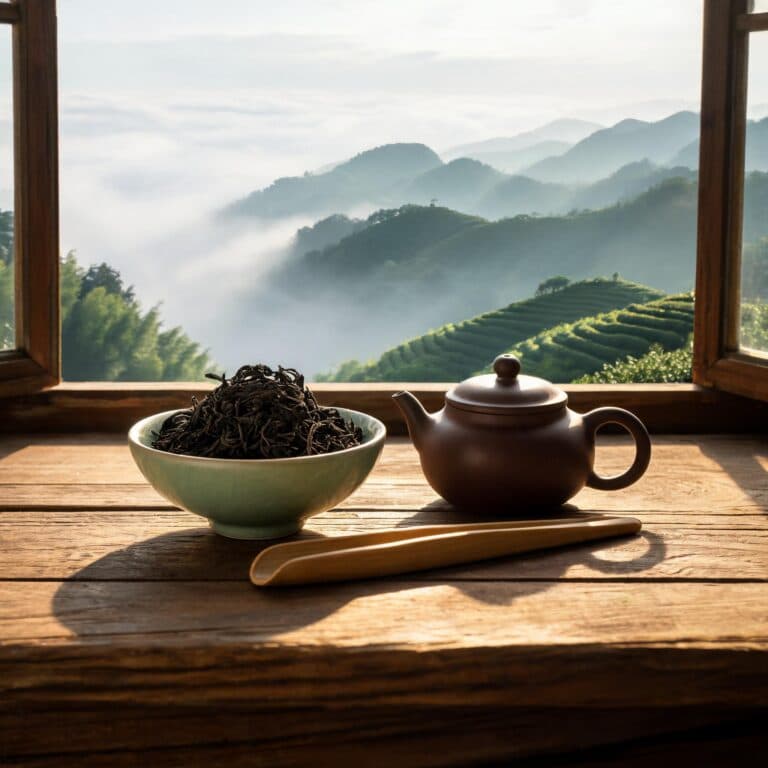
The first time I bought authentic pu-erh tea online, I got lucky. A 2007 raw cake from a small Yunnan producer that’s now my benchmark for what aged sheng should taste like. But the second time? I paid $45 for a “2005” cake that turned out to be maybe two years old, artificially darkened with wet storage and zero complexity. That teacup went straight into the sink.
Buying pu-erh online is a minefield. The tea’s value multiplies with age, and a printed wrapper is the easiest thing in the world to fake. I’ve had enough misses to know what actually matters—and what’s just noise.
Why Is Finding Authentic Pu-erh Tea Online So Hard?
The market overflows with misrepresented teas because age commands a premium, and there’s no universal certification that guarantees authenticity. If a pu-erh cake is $10 for 357g, it’s almost certainly not what the wrapper claims. Genuine 10-year-old raw pu-erh from a named mountain like Bulang or Yiwu often costs $80–$200 per 100g. A much cheaper cake isn’t a bargain—it’s a warning.
Wrappers are so easily counterfeited that even a Menghai Tea Factory (Dayi) label means nothing by itself. I’ve seen cakes with bold “2002” stamps that were processed in 2020, the leaves given a quick wet-pile ride to darken them. And on big marketplaces, sellers rely on you not knowing the difference between raw (sheng) and ripe (shou) pu-erh, let alone storage conditions.
What Certifications Actually Signal Authentic Pu-erh Tea Online?
Standard organic logos—USDA, EU organic—don’t guarantee pu-erh authenticity. They tell you about farming practices, not whether the tea is genuinely aged or from the region stated on the wrapper. In fact, many excellent small-batch producers can’t afford organic certification, even though they work with old tea trees in pesticide-free gardens.
The more relevant markers are geographic designations and transparency from the seller. A label that specifies “Menghai County” or “Yiwu Mountain” is a start, but those can also be borrowed. I look for sellers who share storage location (dry Kunming? humid Guangdong?) and specific harvest year, not just “aged” or “vintage.” If a listing doesn’t mention storage, assume it’s been kept somewhere that accelerates darkening—and that can strip away what makes raw pu-erh special over time.
What Harvest Year and Storage Details Should You Demand?
The harvest year tells you when the leaves were picked, but that number alone says little about taste. A 2018 raw pu-erh stored in dry Kunming might still hit you with a 6/10 bitterness and a bright, almost grassy finish. The same 2018 tea kept in humid Hong Kong storage could be smooth, earthy, and down to a 4/10 bitterness after five years. Storage rewrites everything.
When I browse for authentic pu-erh tea online, I immediately skip any listing that hides the storage region. You want to ask: “Was this stored traditionally (humid) or in a dry warehouse?” If the seller can’t answer, they probably didn’t source it directly, and you’re gambling. Reputable shops will also note whether the cake is single-origin or a blend, because that affects how it ages. I’ve learned that a well-blended ripe pu-erh from 2015, like one I bought for $28 per 100g from a shop that listed storage as “Guangzhou dry,” can be a far better value than a mystery “1999” brick.
Where Can You Buy Authentic Pu-erh Tea Online Without Guesswork?
The safest route is a specialized shop that curates a small number of cakes, rather than a vast catalog of anything with a brown wrapper. A shop offering 200 different “aged” pu-erhs usually means they don’t quality-check more than a handful. I want to see photos of the actual compressed cake, not a stock image, and I want tasting notes that mention specific flavors—camphor, dried jujube, toasted rice—not just “smooth and mellow.”
I buy most of my pu-erh from two sources: one in Guangzhou that focuses on aged sheng from the early 2000s, and Hou Tea for their curated small-batch selection. Hou Tea doesn’t stock 500 pu-erhs because that would mean no real vetting. Their AI Tea Doctor asks a few straightforward questions—like how you take your coffee and what bitterness level you enjoy—then matches you with a single cake. It’s not random; it’s based on your preferences, and every tea they carry has storage and origin details right on the page.
Red flags I’ve learned to trust: a price too good to be true, “vintage” claims without a harvest year, and sellers who use words like “ancient” without telling you which mountain the leaves came from. Also, any shop selling pu-erh in a plastic pouch rather than the traditional cotton wrapper probably isn’t serious about aging—and you shouldn’t be serious about buying from them.
How Do You Spot Fake Pu-erh Tea Online Before You Buy?
A tea that smells like old basement or fish dock is almost never salvageable—that’s not “earthy,” it’s bad fermentation or mold. Even from a photo, you can spot warning signs: leaves that look unnaturally uniform in color might be dyed, and a cake that appears overly dark with no lighter leaf edges may have been wet-piled to mimic age.
I always check for a clear batch code or pressing date on the back of the wrapper, which many Yunnan factories include. When you hold the tea—if you can return it—break off a small piece and look at the leaf material. Genuine aged raw pu-erh has mixed leaf colors and twigs, not a uniform chop. And if the brewed liquor is murky and never clarifies by the third steep, something’s off. Good pu-erh, even young sheng with its astringency, yields a clear, almost luminous broth.
But honestly, the most reliable test is taste. I once brewed a “2010” sheng that had no bitterness, no floral lift, and a flat, papery finish. That tea had been steamed and pressed from exhausted plantation leaves, then marketed as a boutique production. Real pu-erh evolves across steeps—first infusion might be smoky, the fifth more fruity—and that changing personality is impossible to fake.
I still have that 2007 cake I bought on my first try, nearly 18 years old now, and each year it picks up a deeper camphor note. Good pu-erh rewards patience; fake pu-erh just disappoints.
Not sure which pu-erh matches your taste? Take our Five Elements quiz or ask our AI Tea Doctor—it asks a few simple questions and gives you a personalized pick from a small, well-sourced collection.