Best Tea for Weight Loss: What Actually Helps
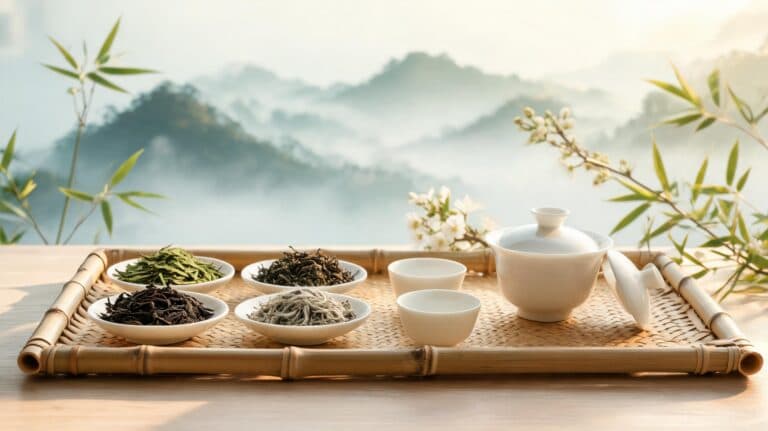
Which Chinese tea is the best tea for weight loss?
At 7:30 a.m. on a tea trip in Fujian, I watched a farmer drink strong oolong before breakfast, a tiny 90 ml cup, steeped for 25 seconds, and he said the same thing I’ve heard all over China: tea won’t do the job for you, but the right tea can make weight management easier.
The best tea for weight loss is usually green tea or oolong tea, because they have the best human evidence for slightly increasing fat oxidation and helping with daily calorie balance.
That “slightly” matters. I don’t think any honest tea seller should promise dramatic fat loss from a leaf. What tea can do is more practical than that: replace sugary drinks, give you caffeine without a dessert-level calorie hit, and in some cases nudge metabolism a bit. A 2022 meta-analysis in Phytotherapy Research found that tea or tea extract intake was linked to small reductions in body weight and body fat, but the effect size was modest, not magical.
Tea helps weight management best when it replaces high-calorie drinks and supports habits you can repeat for 30 days, not when it is sold as a shortcut.
For most people, I’d rank them like this:
- Green tea: best evidence, light body, easy daily drink
- Oolong tea: close second, often easier on the stomach, great for afternoon cravings
- Pu-erh tea: promising for lipid metabolism, especially after heavy meals
- Black tea: useful and satisfying, but less studied for fat oxidation than green tea
And yes, the best tea for weight loss depends on what you will actually drink 5 days a week. A tea with perfect study data is useless if you hate the taste.
What does the science say about green tea vs oolong for weight loss?
Green tea has the strongest evidence, while oolong is very close and may be the better real-life choice if you want something less grassy and more satisfying.
Green tea gets most of the attention because it combines caffeine with catechins, especially EGCG. Those compounds are the reason you keep seeing it in studies on “green tea for fat burning” and “tea that may boost metabolism.” A widely cited 1999 study in the American Journal of Clinical Nutrition found that a green tea extract increased 24-hour energy expenditure by about 4%. That doesn’t mean pounds melt off. It means the mechanism is real.
Later studies have been mixed, which is normal. Some show small weight loss benefits, some show almost none, especially when participants already consume a lot of caffeine. But overall, green tea still has the cleanest record. Brew it at 75-80°C for 60 seconds if you want less bitterness. I’d start with 3 grams in 250 ml water.
Oolong is the one I reach for more often. It sits between green and black tea in oxidation, and good Chinese oolong can taste like roasted chestnut, orchid, or warm cream depending on the style. A 2001 study in the Journal of Medical Investigation reported that oolong tea increased energy expenditure and fat oxidation in the short term. Small study, yes. Still useful.
Oolong tea is the best tea for weight loss for many beginners because the evidence is decent and the flavor is easier to stick with than most green tea.
That adherence point is underrated. In my experience, people quit bitter green tea fast, then go back to sweet coffee drinks. A medium-roast oolong tea at 90°C for 20-30 seconds often feels more comforting, especially around 3 p.m. when snack decisions get messy.
Is pu-erh tea good for weight loss or just hype?
Pu-erh tea is promising for weight management, especially after rich meals, but the human evidence is thinner than for green tea and oolong.
Pu-erh is a fermented tea from Yunnan, and that fermentation changes the chemistry in a way many drinkers find helpful after oily food. I’m one of them. A good ripe pu-erh can taste like wet earth after rain, dark wood, sometimes a cocoa note, and it often leaves my stomach feeling calmer than green tea does.
On the research side, a 2014 study in Clinical Interventions in Aging found that overweight participants drinking pu-erh tea for 20 weeks had reductions in body weight and BMI compared with baseline. The study was small, so I wouldn’t oversell it. But it’s enough to say pu-erh belongs in the conversation about the best tea for weight loss.
Where pu-erh really shines is behavior. Strong ripe pu-erh has a deep, satisfying taste with almost no calories, and that can replace late-night snacking better than a thin-tasting diet drink. Brew ripe pu-erh at 95-100°C. I like 5 grams per 100 ml, first steep 10 seconds after a quick rinse.
Pu-erh may be the most useful Chinese tea after heavy meals because its flavor feels substantial enough to end the meal, not extend it.
The downside is price and quality spread. Decent daily pu-erh can cost $18-$35 per 100g. Better old-tree material climbs fast.
Which Chinese teas help with cravings and daily habits?
The Chinese teas that help most with cravings are roasted oolong, ripe pu-erh, and fuller black teas, because they feel satisfying enough to replace sweet drinks or extra snacks.
This is the part most weight-loss articles skip. You are not only managing metabolism. You are managing appetite, routine, and that oddly dangerous hour between lunch and dinner. Tea can help there.
Roasted oolong has body. Wuyi rock tea especially. It tastes mineral, toasted, sometimes like baked peach skin, and it keeps giving over 6 or 7 steeps. Ripe pu-erh does something similar in a darker way. Chinese black tea, like Dian Hong, is softer and naturally sweet, almost like malt and dried fruit, and can work well if green tea feels too sharp.
For “best tea for weight loss at night,” I would not choose high-caffeine tea after 7 p.m. Sleep loss is bad for hunger control. Go lighter, or stop earlier. For “best tea for belly fat,” I’d be careful with the phrase. No tea targets belly fat specifically. Human bodies are less cooperative than marketing copy.
No Chinese tea can spot-reduce belly fat, but a tea you drink instead of a 250-calorie afternoon latte can change your weekly calorie intake in a very real way.
How should you drink tea for weight management without overdoing it?
The best way to use tea for weight management is 2 to 4 cups a day, unsweetened, timed around the moments you usually reach for higher-calorie drinks.
That usually means one cup in the morning, one after lunch, maybe one in the late afternoon. I would not start with fasting plus very strong green tea unless you enjoy nausea. Some people do fine. A lot don’t.
Here’s a simple comparison I like:
- Green tea: best evidence, light taste, 75-80°C, 1 minute
- Oolong tea: best balance of evidence and drinkability, 90°C, 20-30 seconds gongfu style
- Pu-erh tea: best after heavy meals, 95-100°C, 10-20 seconds
- Black tea: best for people quitting sweet coffee drinks, 90-95°C, 2 minutes
If you have iron deficiency, drink tea away from meals. If caffeine makes you shaky, cut back. And please skip the detox language. Good tea is already doing enough.
I think the real winner is the tea you’ll still want on day 40. For some people that’s a grassy green tea. For me, it’s usually a roasted oolong that tastes warm and a little nutty, the kind that makes a vending-machine snack seem less interesting.
Still not sure which tea fits your taste and routine? Take our Five Elements quiz or ask our AI Tea Doctor for a personalized pick. It takes about 30 seconds, and it’s a much better start than guessing.