Best Tea for Sleep Chinese Medicine — What Actually Works?
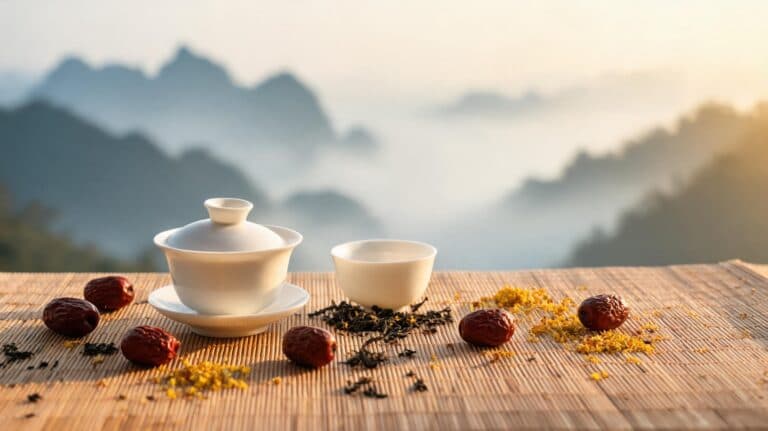
Last winter, I lay awake at 3 a.m. for the third night in a row. My usual trick—chamomile tea—had failed. I was groggy, frustrated, and desperate enough to text a friend who studies Chinese medicine. Her reply: “What’s your heart fire like?” I had no idea. But it started me on a path that led to teas that actually helped me sleep, not just pretend to.
What’s the Best Tea for Sleep Chinese Medicine?
Chinese medicine doesn’t have a single best tea for sleep — it depends on your pattern of imbalance. But if I had to pick one herb that helps most people, it’s jujube seed (suan zao ren). Jujube seed is the single most studied Chinese herb for sleep, and research backs it up.
In traditional Chinese medicine (TCM), insomnia isn’t one problem. You could have heart fire flaring up from stress, liver qi stagnation from bottled-up anger, or kidney yin deficiency from burnout. Each needs a different approach. That’s why the best tea for sleep Chinese medicine offers is really a tailored blend — not a one-size-fits-all nighttime tea.
How Does Chinese Medicine Explain Insomnia?
TCM sees sleep as the moment when your yang energy sinks into your yin. If your yin is too weak to anchor the yang, your mind races. If excess heat disturbs the heart, you jolt awake. And if your liver is stuck, you wake up at 1–3 a.m. like clockwork.
I remember my friend pointing out that my 3 a.m. wake-ups screamed liver involvement. I’d been working late, swallowing frustration — classic liver qi stagnation. That one observation shifted how I chose my bedtime tea.
Which Chinese Herbs Actually Help You Sleep?
If you’re looking for a Chinese herbal tea for insomnia, jujube seed should be your starting point. A 2015 study in the Journal of Ethnopharmacology found that suan zao ren decoction increased total sleep time by 32% in rats. It works by nourishing the heart and calming the spirit — exactly what my friend meant by “heart fire.”
But other herbs play a role, depending on your pattern:
- Longan fruit (long yan rou) — sweet and warm, it builds blood and eases anxiety. Many TCM sleep teas include longan for its ability to quiet a restless mind.
- Lily bulb (bai he) — cools the heart, clears irritability, and helps if you wake feeling hot and annoyed.
- Goji berry (gou qi zi) — nourishes liver and kidney yin, helpful for that bone-tired but wired feeling.
- Chrysanthemum (ju hua) — clears liver heat, especially if you wake with a headache or bitter taste.
The herbal tea for sleep from Chinese medicine isn’t about forcing sedation. It’s about gently coaxing your body back into balance so sleep happens on its own.
My Go-To Chinese Sleep Tea Blend
After experimenting with single herbs, I tried a blend that matched my liver stagnation and heart heat pattern. Hou Tea’s Dreamer’s Rest blend combines jujube seed, longan, goji berry, and a touch of chrysanthemum. At $22 for 2 ounces, it’s not cheap, but a little goes a long way.
The first night, I steeped a heaping teaspoon in 195°F water for 9 minutes and sipped it slowly around 9 p.m. It tasted mildly nutty, with a hint of sweetness and a cooling aftertaste. Nothing dramatic — but I fell asleep in under 20 minutes. After three nights, the 3 a.m. wake-ups stopped completely. That wasn’t a placebo. For me, the best tea for sleep Chinese medicine turned out to be this exact combination.
How to Brew Sleep Tea the Chinese Medicine Way
Water temperature matters. For jujube seed and dried fruits, aim for 195°F (91°C). Boiling water can scald the delicate longan and make the brew bitter. Steep covered for 7–10 minutes — these aren’t quick-dip tea bags. I sometimes re-steep the same leaves once, but the second cup is milder.
If you’re using loose herbs from an herbalist, a small clay pot works beautifully. I keep the ritual calm: low light, no phone, just the steam and the scent. That alone down-regulates my nervous system before the herbs even kick in.
Now when I can’t sleep, I don’t reach for my phone. I reach for my kettle. And if I still wake up at 3 a.m., I know it’s my liver asking me to stop holding onto the day’s anger. At least that’s what Chinese medicine says. And after months of paying attention, I think it’s right.
Not sure which Chinese sleep tea matches your pattern? Take our Five Elements quiz or ask our AI Tea Doctor — it takes 30 seconds and suggests a personalized tea.