Benefits of White Tea and the Meaning of 1-3-7 Aging
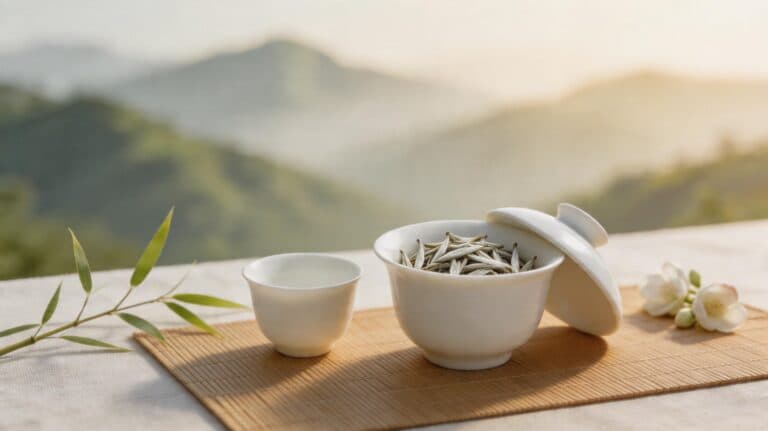
At a tea table in Fuding, I was handed two cups made from the same leaf, one from that spring and one aged 7 years. The fresh one smelled like hay and pear skin. The older one was darker, sweeter, almost jujube-like, and the farmer smiled before saying the line every white tea drinker hears sooner or later: one year tea, three year medicine, seven year treasure.
That saying is catchy, but it helps to know what it actually means, and what the real benefits of white tea are for daily drinking.
What are the real benefits of white tea?
White tea’s main benefits are gentle caffeine, high antioxidant content, easy drinkability, and in aged form, a soothing sweetness that many people reach for when they want something soft on the body.
If you want the short version, white tea is one of the easiest Chinese teas to drink every day because it usually has less processing than black tea, lower bitterness than many green teas, and enough character to stay interesting past the first cup.
White tea is made with minimal processing, and that lighter handling helps preserve catechins such as EGCG, the antioxidant most often linked to the health benefits of tea.
Studies often focus on antioxidants and inflammation markers. A 2019 review on tea polyphenols found that white tea, like green tea, contains compounds associated with cellular protection, though exact levels vary by cultivar, harvest date, and storage. I think that last part matters more than marketing copy. A cheap, stale white tea will not feel the same in the cup as a carefully dried Bai Mu Dan.
For most people, the practical benefits of white tea are simpler than lab language. It can give you a calmer lift than coffee. It is usually forgiving to brew. And if you dislike harsh bitterness, white tea is often where I tell beginners to start.
Why do people say “one year tea, three year medicine, seven year treasure”?
The saying means fresh white tea is pleasant to drink, aged white tea is valued for comforting everyday use, and well-stored old white tea becomes rare and expensive enough to feel precious.
This is a folk saying, not a medical claim. That part matters. In China, people often describe 3-year-aged white tea as something to drink when the throat feels dry or the weather turns cold. You will see it simmered, sometimes with dried tangerine peel, because the liquor gets rounder and sweeter with time.
The “three year medicine” line is cultural shorthand, not proof that aged white tea is medicine.
Still, there is a real change happening in the leaf. As white tea ages, oxidation and slow natural transformation shift the flavor from fresh flowers and cucumber skin toward red dates, wood, honey, sometimes a gentle herb note. The texture thickens too. A 1-year tea can feel light and airy. A 7-year tea can feel almost syrupy if brewed strong.
And price follows age. Fresh Shou Mei might sell for $18 to $30 per 100g. A clean 7-year cake from a respected producer can land at $35 to $60 per 100g, sometimes higher. Storage decides a lot. Age alone is not magic.
Are the benefits of white tea different when it is aged?
Yes, aged white tea often feels warmer, sweeter, and easier on the stomach, while fresh white tea usually tastes brighter and may have slightly more of the fresh antioxidant profile people look for.
This is where I get opinionated. Fresh white tea and aged white tea are almost different drinks. Fresh Silver Needle can be delicate to the point of frustration if you brew it too cool. Aged Shou Mei is easier to understand right away. It gives you more obvious aroma, more body, more comfort.
People searching for aged white tea benefits usually mean one of two things: does it help the body differently, and is it worth paying more for. My answer is halfway. It feels different, yes. It may be more soothing for some drinkers. But fresher tea still has its own strengths, especially if you care about lively top notes and cleaner, lighter cups.
Fresh white tea is better for brightness, while aged white tea is better for depth.
I would not tell you to chase old white tea just for health. Drink it because you like what age does to the cup. That is a much better reason.
How should you drink white tea for the best experience?
White tea tastes best when you brew it gently, usually at 85°C to 90°C for 45 to 90 seconds, then adjust from there.
For fresh Bai Mu Dan, I like 4g in a 150ml gaiwan at 88°C. First steep, 50 seconds. For aged Shou Mei, I go hotter, around 95°C, and sometimes boil it gently for 5 minutes after a few infusions. That brings out the jujube sweetness and a woody note I really like on rainy days.
If you are trying to understand the benefits of white tea for skin or digestion, brewing matters more than people think. Overbrew it and you get dryness. Brew it softly and the tea feels silky. Better texture usually means you will actually want to drink it often, and that matters more than reading another list of wellness claims.
One more practical note. White tea does contain caffeine. A cup can range roughly from 15 to 40mg depending on leaf grade and style. Silver Needle can surprise you. It looks soft, but bud-heavy teas can hit harder than expected.
Which white tea is best for beginners?
Bai Mu Dan is the best white tea for beginners because it balances sweetness, aroma, and price better than Silver Needle or very old tea.
Silver Needle is lovely, but it can be subtle and expensive, often $30 to $80 per 100g for quality tea. Shou Mei is affordable and great aged, though younger versions can feel rougher. Bai Mu Dan sits in the middle. You get floral notes, a little honey, sometimes melon, and enough body that the tea does not disappear after one sip.
If you want the benefits of white tea without overthinking it, start there. Try it for a week in the late morning instead of a second coffee. Pay attention to how it lands. Some teas impress you instantly. White tea usually wins more quietly.
That farmer in Fuding was not trying to make a scientific argument with the 1-3-7 saying. He was telling me that tea changes, and that some leaves earn your trust slowly, over years, one cup at a time.
Want help finding the right white tea for your taste? Take our Five Elements quiz or ask our AI Tea Doctor — it takes 30 seconds and gives you a personalized pick.