Benefits of Oolong Tea: Energy, Focus, and Metabolism
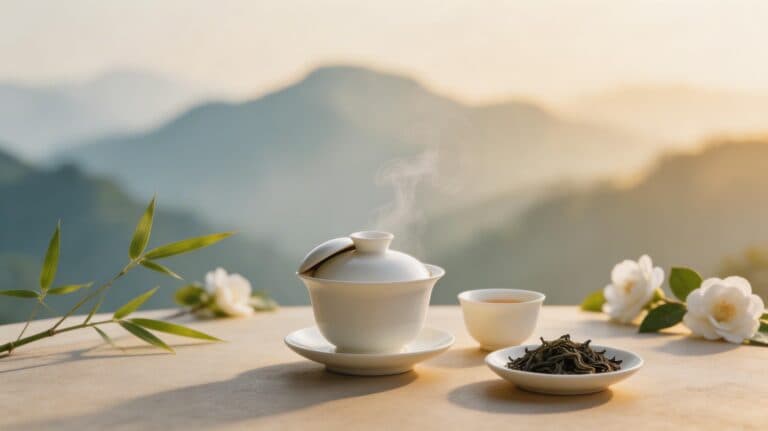
What are the main benefits of oolong tea?
At 8:30 on a damp spring morning in Fujian, I drank a roasted oolong that smelled like warm chestnuts, and within 10 minutes I felt the kind of steady alertness coffee rarely gives me.
The main benefits of oolong tea are steady energy, a useful dose of antioxidants, and a gentle lift in mental clarity without the heavy edge some people get from coffee.
That middle ground is why I keep coming back to it. Oolong sits between green tea and black tea in oxidation, usually around 10% to 70%, so it can taste floral and light or roasted and deep. And that range matters because the compounds you actually drink, especially caffeine and polyphenols, shape how it feels in the body.
Oolong tea usually gives 30 to 50 mg of caffeine per 240 ml cup, which is enough for focus but often less jarring than coffee at 80 to 120 mg.
In my experience, the benefits of oolong tea show up best when you drink good loose leaf rather than dusty tea bags. A decent everyday oolong costs about $18 to $35 per 100 g, and the difference in taste is obvious. You get more texture, more aroma, and a longer finish instead of one flat note.
For beginners, this is the short version: oolong can help you feel awake, mentally settled, and less snacky in the afternoon. It is not medicine. But it is one of the easiest teas to drink daily because it gives you something noticeable without asking you to love bitterness.
Does oolong tea help with metabolism?
Yes, oolong tea may support metabolism modestly, mostly through its mix of caffeine and tea polyphenols, but it is not a fat-loss shortcut.
This is where tea marketing gets silly. People talk about “fat burning” like one cup will fix a late-night takeout habit. It won’t. But there is real evidence that oolong may slightly increase energy expenditure.
A small 2001 study published in the Journal of Medical Investigation found that oolong tea increased energy expenditure by about 2.9%, compared with 3.4% for green tea. That is not huge. It is still enough to be interesting, especially if you swap a sugary drink for tea every day.
For metabolism, oolong works best as a daily habit, not as a quick fix.
I think this is the useful way to frame the oolong tea health benefits. It may help a bit with calorie burn. It may make heavy meals feel less sluggish. Roasted oolongs, especially after lunch, often feel satisfying in a way plain water does not. That can make mindless snacking less tempting, which matters more than flashy claims.
If you want to try oolong tea for weight management, brew it strong enough to be satisfying but not harsh: 90°C to 95°C water, 3 to 5 g leaf for 240 ml, steep 2 minutes for the first round. Gongfu style is even better if you have the patience, 5 g in a small gaiwan with 20 to 30 second infusions.
What does oolong tea actually do for mental clarity?
Oolong tea supports mental clarity by combining moderate caffeine with L-theanine, an amino acid linked to calmer attention.
This is the benefit I notice fastest. Coffee can make me sharp, then restless. A good oolong feels different. My mind narrows a little. The background static drops. I can read, write, or answer email without feeling pushed.
A 2008 study in Asia Pacific Journal of Clinical Nutrition found that tea components including caffeine and L-theanine were linked to improved attention. Oolong is not always studied as often as green tea, but it carries the same general pairing of these compounds.
Many people describe oolong focus as “clear but calm,” and I think that is the most accurate short description.
The style of oolong changes the feeling. Lighter oolongs from Anxi or high-mountain Taiwan often feel brighter and more floral. Heavier roast styles can feel grounding, almost cozy, especially around 3 p.m. when your brain starts sliding downhill.
The downside is simple. Drink a strong cup too late and you may feel it at midnight. I usually stop by 4 p.m. unless I am drinking a very light infusion.
How do antioxidants fit into the benefits of oolong tea?
Oolong tea has antioxidants, especially polyphenols such as catechins and theaflavins, which may help reduce oxidative stress.
This part sounds abstract until you taste enough tea. Fresh, well-made oolong has a kind of clean persistence on the palate. That sensation comes partly from the same plant compounds people mean when they talk about antioxidants.
Because oolong is partially oxidized, it contains a mix you do not get in exactly the same way from green tea or black tea. That is one reason some people see it as a sweet spot. A 2019 review in the Journal of Food Science discussed how tea polyphenols may help protect cells from oxidative damage. Again, this is supportive, not magical.
People also search for oolong tea antioxidant benefits because they want one tea that feels practical. Fair enough. Oolong is a good candidate. It is easy to drink often, and frequency matters more than heroic single cups.
If you are sensitive to bitterness, start with a lightly oxidized oolong. It tends to be softer. If you want something richer, try a roasted style from a good oolong selection. The first can taste like lilac and cream. The second can taste like toasted grain with a mineral finish.
How should you drink oolong tea to get the most benefits?
The best way to get the benefits of oolong tea is to drink 1 to 3 cups consistently, brew it correctly, and pick a style you actually want to revisit tomorrow.
That last part is the whole game. A tea with perfect health claims is useless if it sits untouched in your cupboard.
For most people, I suggest starting with 2 cups a day for 2 weeks. Use water around 90°C for greener oolongs and 95°C for roasted ones. Steep 90 seconds to 2 minutes in a mug or pot. Taste it. Adjust. Too thin, add more leaf. Too sharp, shorten the time.
Consistency beats intensity: 2 well-brewed cups a day will do more than one oversized cup you barely enjoy.
And be honest about trade-offs. The benefits of oolong tea are real enough to make it a smart daily drink, but they are subtle. Think steadier mornings, cleaner focus, maybe better drink choices over time. Not a body overhaul in 7 days.
I think that is actually why oolong earns loyalty. It does not hit you over the head. It just keeps showing up, cup after cup, especially on the kind of afternoon when you want your brain back without rattling your nerves.
Not sure which oolong fits your taste? Take our Five Elements quiz or ask our AI Tea Doctor — it takes 30 seconds and gives you a personalized pick.