5 Spring Teas I Keep Reaching For After Winter
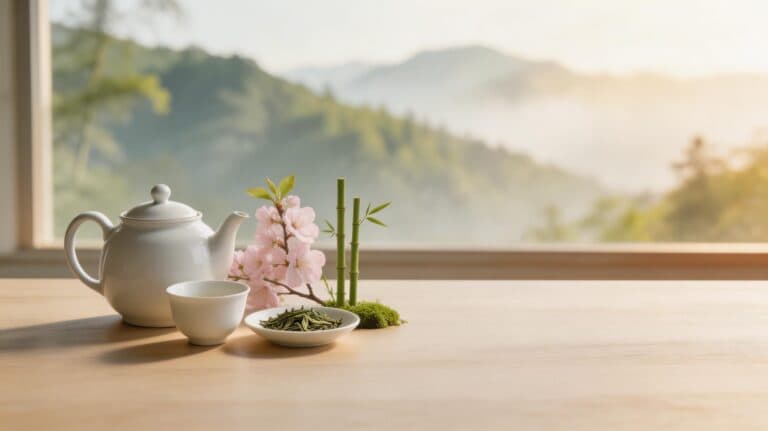
Spring tea has a very specific smell
The first time I smell a good spring tea, I usually notice it before I even pour the water. There’s a wet-green scent, like cut stems after rain, and sometimes a little sweetness that reminds me of pea shoots or fresh chestnut leaves. That is what I wait for every year.
Spring teas feel lighter in the cup, but they are not all fragile or shy. Some are brisk and grassy. Some are floral and creamy. A few have a clean, sweet finish that makes me put the cup down and brew another pot right away.
I think spring is the best season for teas that are fresh, bright, and a little bit sweet. The trick is choosing teas that still taste interesting after the first sip. A tea can be delicate and still have a point of view.
1. First flush green tea
If I had to pick one spring category to keep in the cupboard, it would be fresh green tea from the new harvest. Think Longjing, Anji Bai Cha, or a good Japanese sencha. The best ones taste like steamed spinach, green beans, and sweet grass, with a clean finish that stays on the tongue.
I usually brew these at 75 to 80°C for 1 to 2 minutes. Hotter water can flatten the sweetness and make the cup taste sharper than it should. With sencha, I often go even cooler, around 70°C, especially if it is a finer grade.
Price varies a lot. A decent everyday spring green tea might run $12 to $25 for 100g. Really good first flush lots can cost more, and yes, the fancy stuff is sometimes worth it. The downside is freshness matters a lot, so an old green tea can taste flat and papery fast.
2. Light oolong for easy afternoons
Spring oolong is where I go when I want something floral without feeling like I’m drinking perfume. Tieguanyin, jin xuan, and lighter charcoal-free Taiwanese oolongs often have a creamy body, orchid notes, and a finish that leans toward honey and fresh orchids rather than sugar.
I brew most of these at 90 to 95°C for 30 to 45 seconds in gongfu style, or about 2 minutes in a Western pot. Gongfu is my preference here because the tea changes so clearly from steep to steep. The first cup might taste like lilac and steamed milk. The third might turn more nutty, like roasted cashew.
These can range from $18 to $40 for 100g for something solid. That price band is broad because leaf quality and roast level really matter. Some are too perfumed for my taste, and some are so lightly processed they lose their shape after one steep. The good ones keep unfolding.
3. White tea when you want a soft cup
White tea is the one I reach for on mornings that still feel cold. Bai mudan and silver needle both fit spring well, but for most people I would start with bai mudan because it gives more flavor. Silver needle can be beautiful, though sometimes it feels almost too quiet unless the leaf is excellent.
A good spring white tea tastes like melon rind, hay, pear skin, and a little honey. Not dessert honey. More like the scent of warm honey on toast. Brew it at 85 to 90°C for 2 to 3 minutes, or lower if the tea is especially tender.
I like white tea because it is forgiving. You do not need a perfect gaiwan and you do not need to baby it. Still, there is a trade-off. The very soft ones can feel thin if you expect big flavor right away.
4. Jasmine tea, but choose carefully
Spring and jasmine belong together in my head, though I have had plenty of jasmine teas that were all flower and no tea. A good one should smell like real blossoms, yes, but the base tea needs to hold its own. Otherwise you are just drinking scent.
Look for jasmine green tea with a sweet, grassy base and a fragrance that fades cleanly after the sip. The best cups make me think of orange blossom, rice steam, and fresh apricot. I brew jasmine tea around 80 to 85°C for 1.5 to 2 minutes.
Price can start around $10 for 100g and go much higher if the tea is scented multiple times with fresh jasmine flowers. Cheap jasmine tea can taste dusty or overly sweet, so this is one case where spending a little more usually helps.
5. New-season black tea for cooler spring days
People often forget black tea in spring, but I think that is a mistake. Some fresh black teas taste amazing in April and May, especially teas with honey notes, malt, or a little fruit. Yunnan black tea and Keemun are the ones I reach for most.
These usually want 95 to 100°C water and about 2 to 3 minutes. Push them too long and the cup can turn woody or drying. Keemun often gives cocoa, plum, and a faint smoky line. Yunnan black tea can taste like warm bread, dates, and cocoa nibs.
This is a good spring tea for people who still want structure in the cup. It feels more grounded than green tea. And on a windy day, I usually want that.
How I choose a spring tea
I look for freshness first. Then I look for balance. A spring tea should feel lively, but it should not taste like it is trying too hard.
- Choose green tea if you want grass, sweetness, and a bright finish.
- Choose light oolong if you want floral notes with more body.
- Choose white tea if you want something soft and easy.
- Choose jasmine tea if you want fragrance, but make sure the base tea is good.
- Choose spring black tea if you want a fuller cup with less sharpness.
And if you are unsure, ask for a sample before buying a whole bag. Spring tea can be beautiful, but it is also easy to overspend on a style you do not actually enjoy. If you want help narrowing it down, you can ask our Tea Doctor for a personalized pick based on what you already like.
My short list for this season
If I were stocking one shelf for spring, I would buy a fresh green tea for mornings, a light oolong for afternoons, and a white tea for the days when I want something quiet. Maybe one jasmine tea too, if it smells real and not forced. That is enough variety without making the cabinet feel crowded.
Spring tea should feel like the window is open. Not cold, just fresh. On a good day, the cup tastes a little like new leaves and the first warm hour after rain.
I still remember a recent bowl of Longjing that tasted like toasted beans and sweet grass, with a tiny note of chestnut at the end. That kind of cup is why I keep waiting for spring harvest season.